
What to Wear Hiking in Cold Weather (Simple Layering Guide).
What you wear on a hike makes a bigger difference than you think.
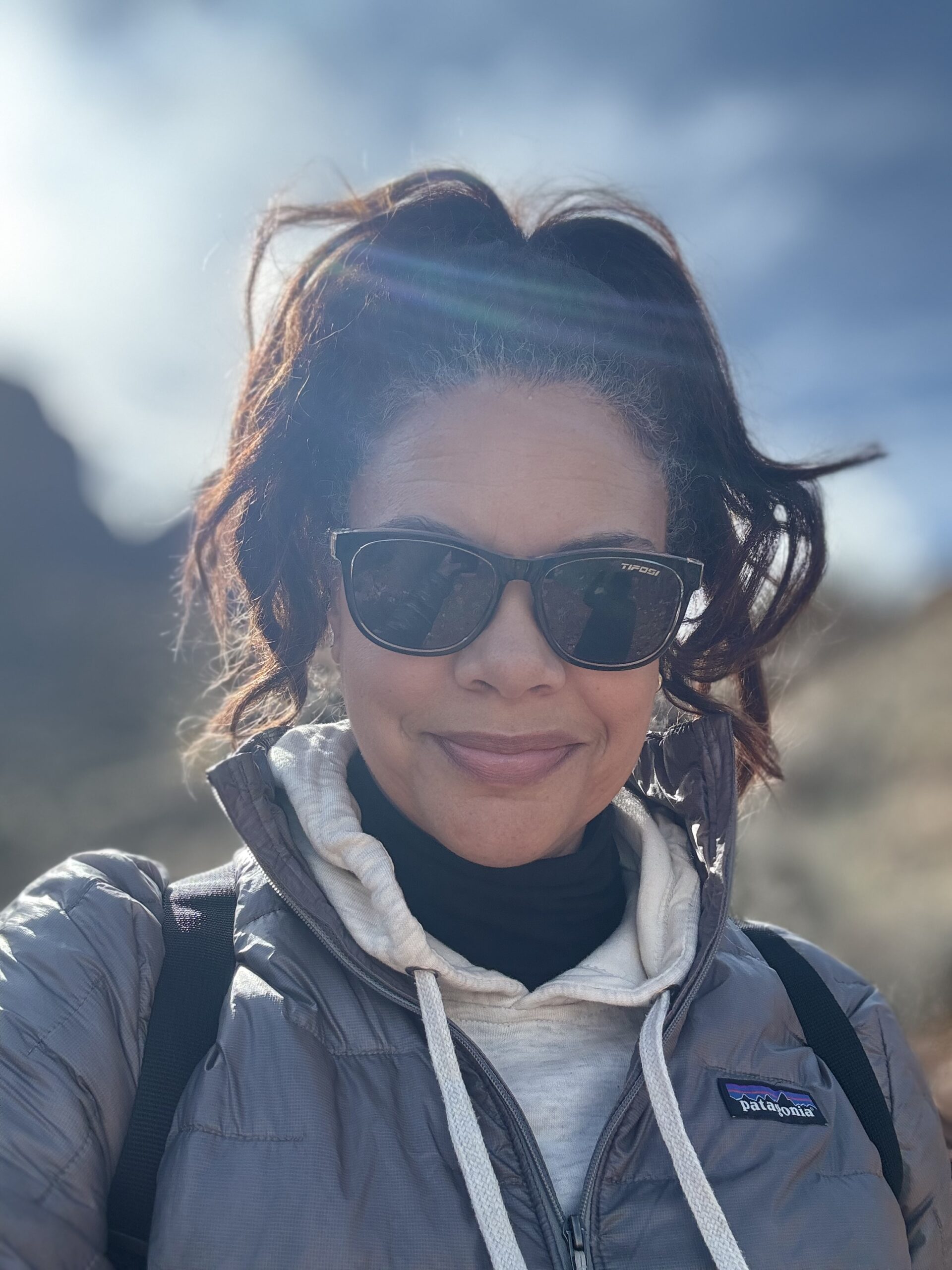
If you’re hiking in colder temps, this is exactly what I wear to stay warm without feeling bulky or overpacked.
I’ve learned to keep it simple — pieces that are comfortable, easy to layer, and work in different conditions without overthinking it.
This is what I actually wear depending on the weather and the type of hike.
If you’re hiking in warmer weather, I share what I wear for spring and summer hikes here –>
If you lean slightly outdoorsy but still love skincare, cute hats, comfortable outfits, and a few mildly unnecessary travel luxuries, I also put together my full Mildly Girly Guide to Outdoor Adventures & Vacation with all the little things that make outdoor life feel more fun and realistic for me.
This post contains affiliate links, which means I may earn a small commission if you purchase through them — at no extra cost to you. I only recommend products I actually use and trust.
This is exactly what I Wear every time
I hike mostly in dry, desert conditions, so layering without bulk is really important.
If you’re building a simple hiking hydration system, I also breakdown how I stay hydrated on hikes here->
Start with Comfortable Basics
I always start with pieces I know I’ll be comfortable in for a few hours.
Breathable, easy to move in, and nothing that needs constant adjusting. If it’s not comfortable right away, it won’t get better mid-hike.
If it’s not comfortable right away, it won’t get better mid-hike. Try women’s and men’s pieces.
Lightweight Layers That Don’t Add Bulk
This is the layer I use the most.
I don’t like anything bulky when I’m hiking, so I always reach for something lightweight that I can throw on or take off easily.
I have a Patagonia jacket that I love and wear all the time, especially when I want something a little more elevated.
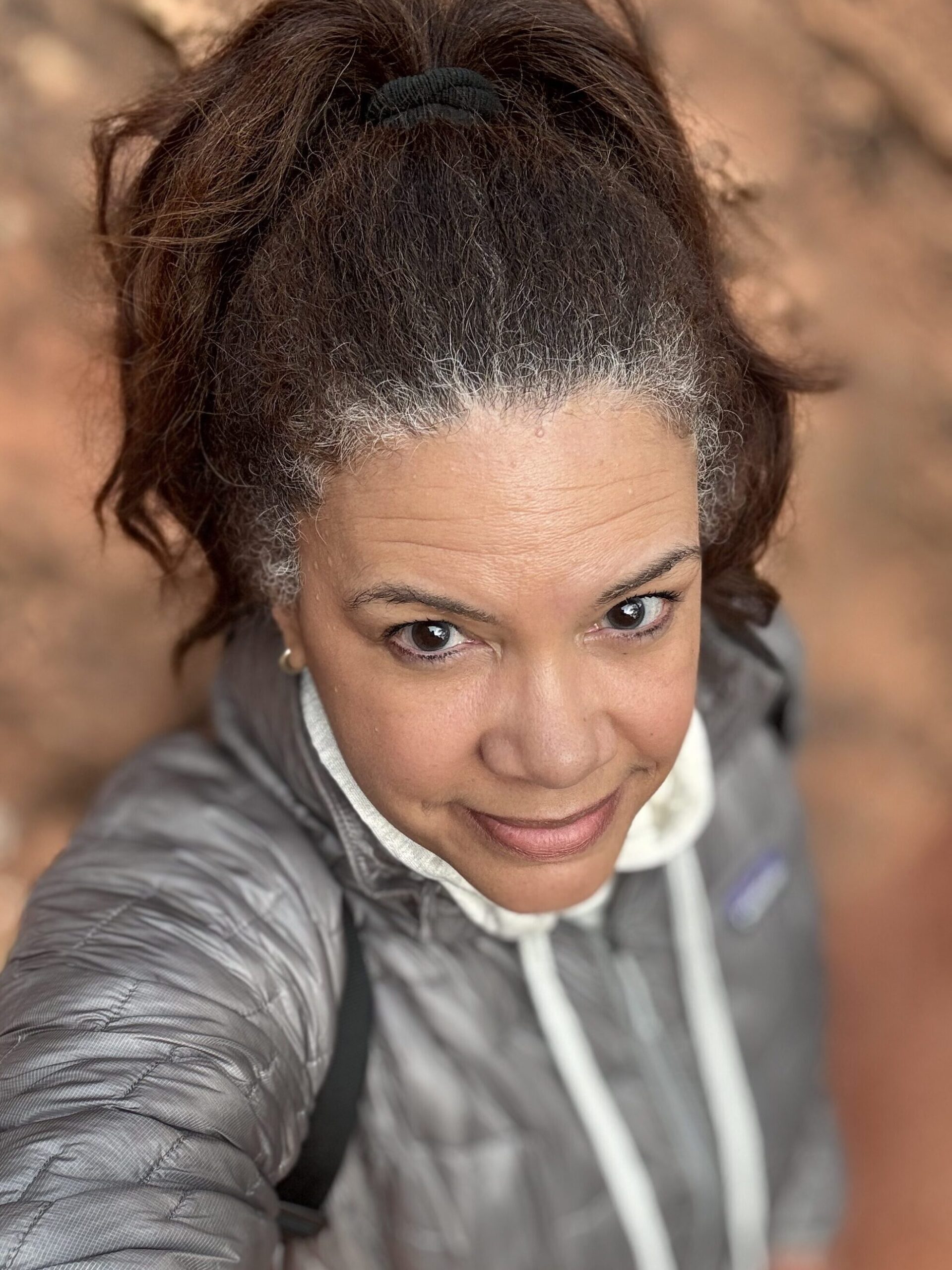
This is one of those layers I always keep with me — even if I don’t think I’ll need it.

- Packs down small so it’s easy to bring on hikes or trips
- Adds warmth without bulk or restriction
- Water-resistant for changing weather conditions
For everyday hikes though, I usually grab something like this — it’s lightweight, packable, and does the job without overthinking it.
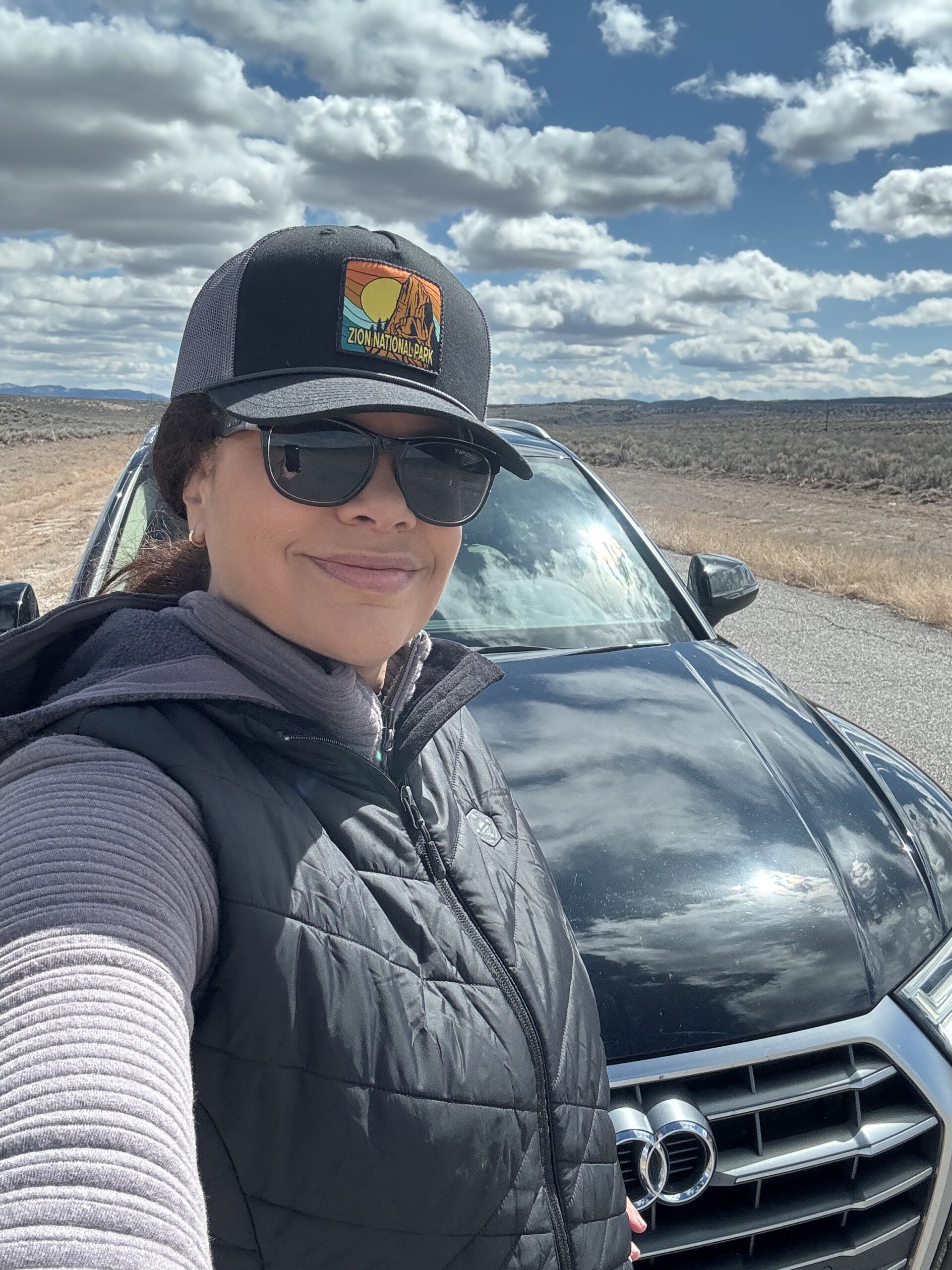
PRO TIP: They are economical enough to buy an extra for color options – and carrying fashion to the trails – or keeping one tucked in your car for when you unexpectedly need the warmth.
Layers That Actually Work
I’ve learned pretty quickly that fitted layers don’t work well for me — especially when I’m hiking or trying to layer.
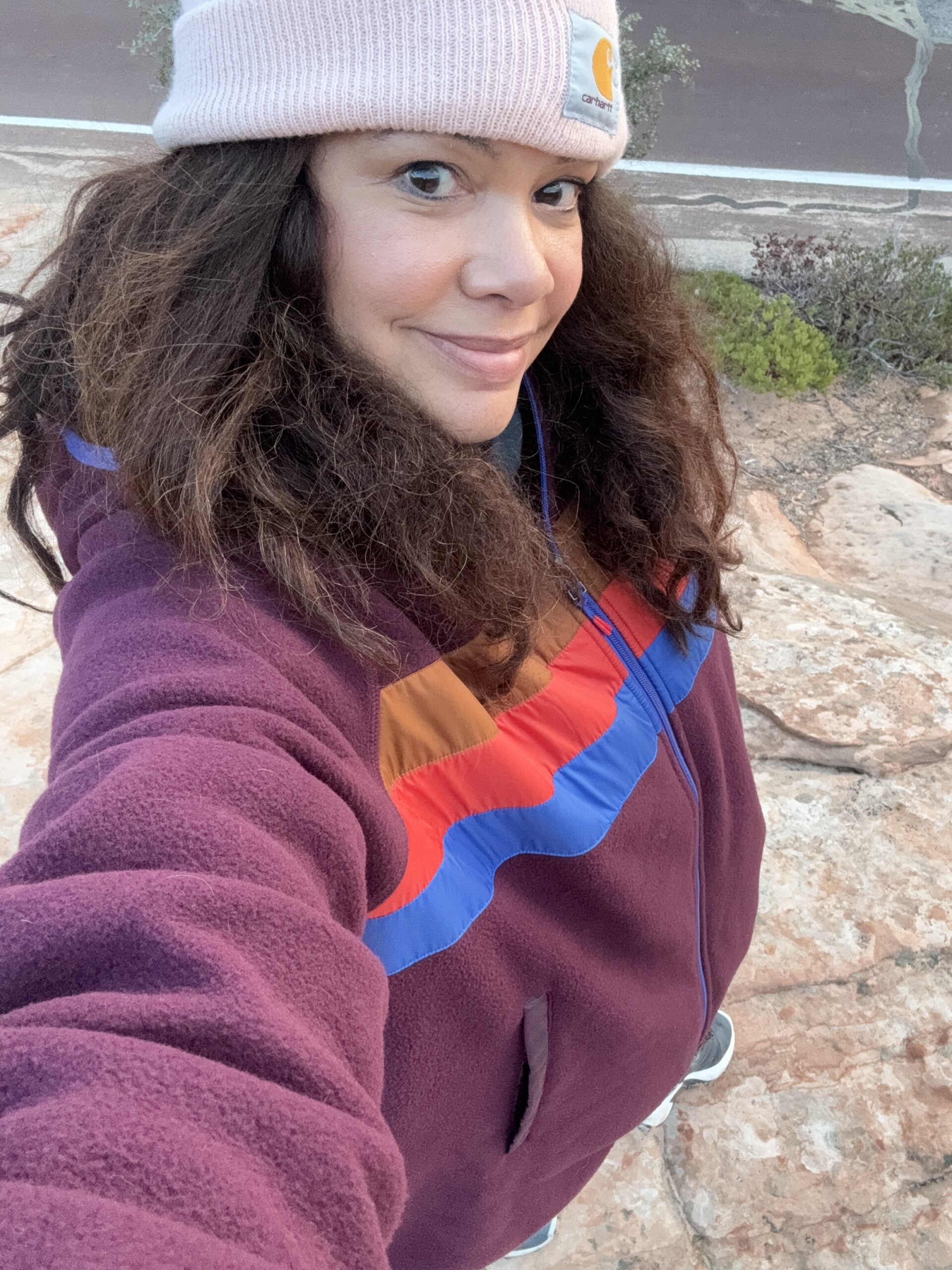
I usually go for something a little more relaxed so it’s comfortable and easy to move in.

- Lightweight fleece layers easily without added bulk
- Full-zip design makes adjusting to changing temps simple
- Soft, comfortable feel that works well for longer days outdoors
PRO TIP: I’ll often size up, look for oversized, or grab a men’s fleece for the extra length and room — it just layers better and feels more comfortable on longer hikes.
Cold Weather Add-Ons
These are the small things that don’t take up much space but make a big difference.
I’ve learned it’s always better to bring one more layer than you think you’ll need.
This is usually the stuff people forget — and then wish they had.
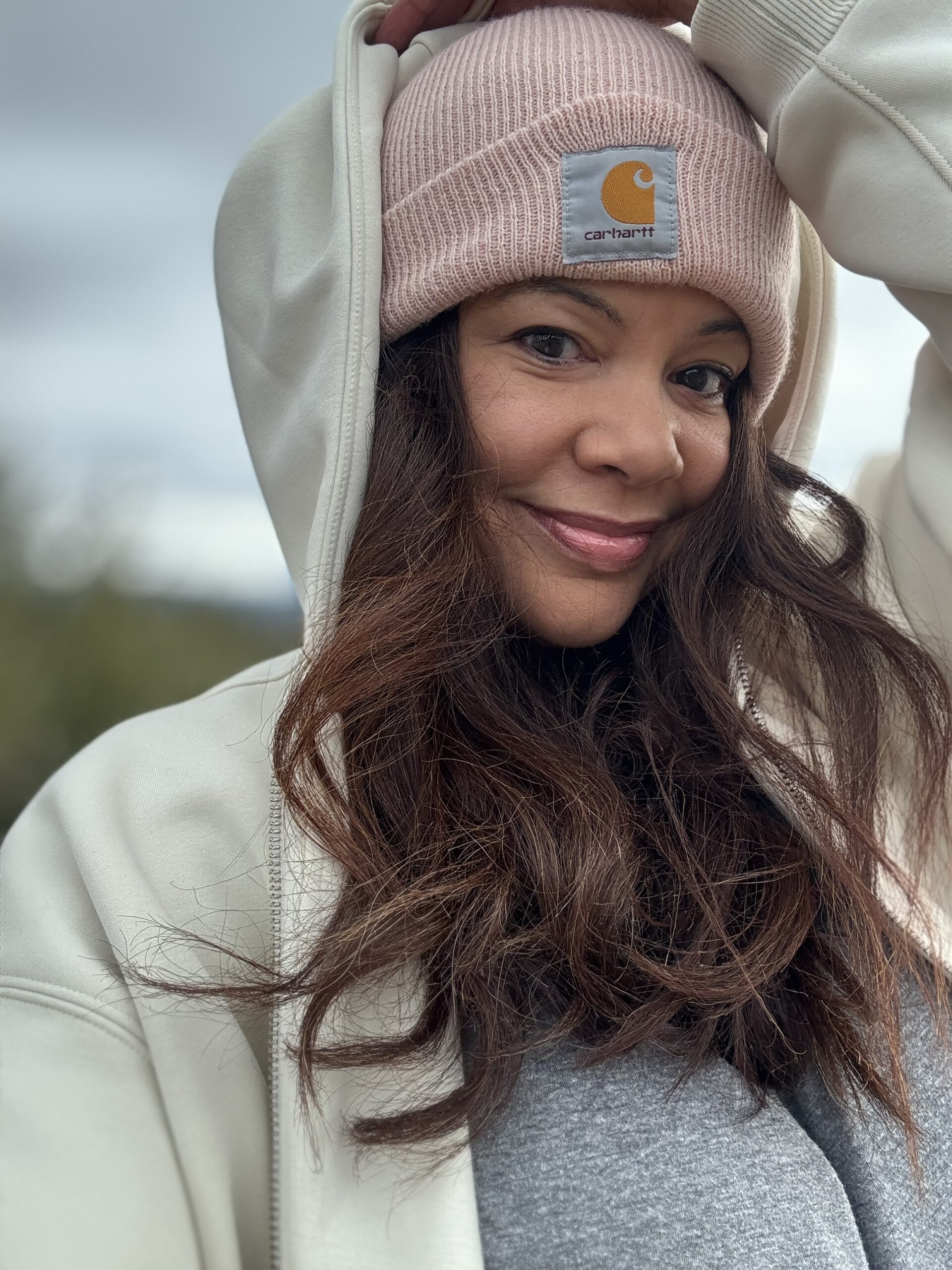
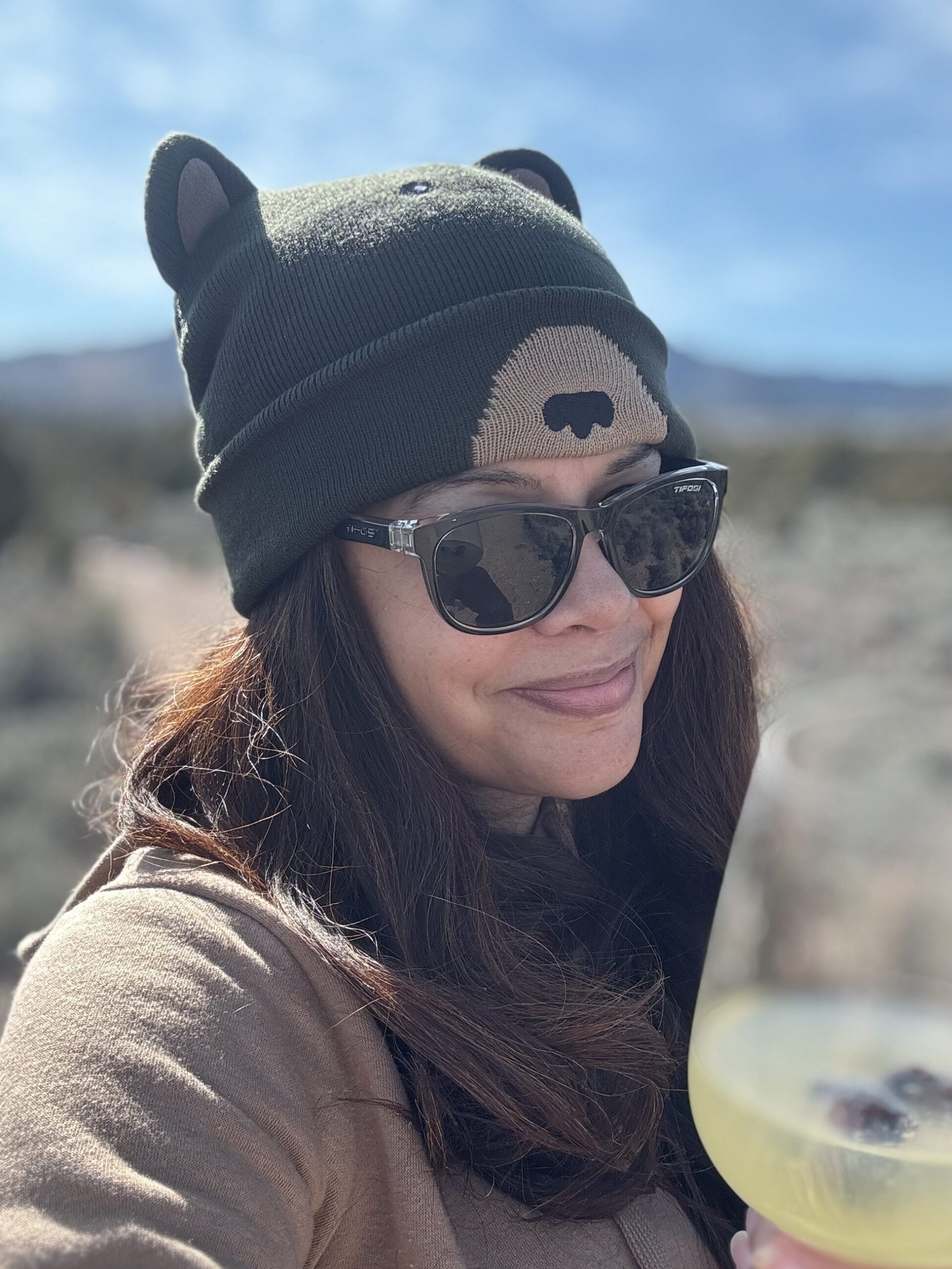
This is one of those small things that makes a big difference — especially when it’s colder than you expected.

- Soft knit keeps you warm without feeling bulky
- Stretch fit stays comfortable on longer hikes
- Simple, classic style that works with everything
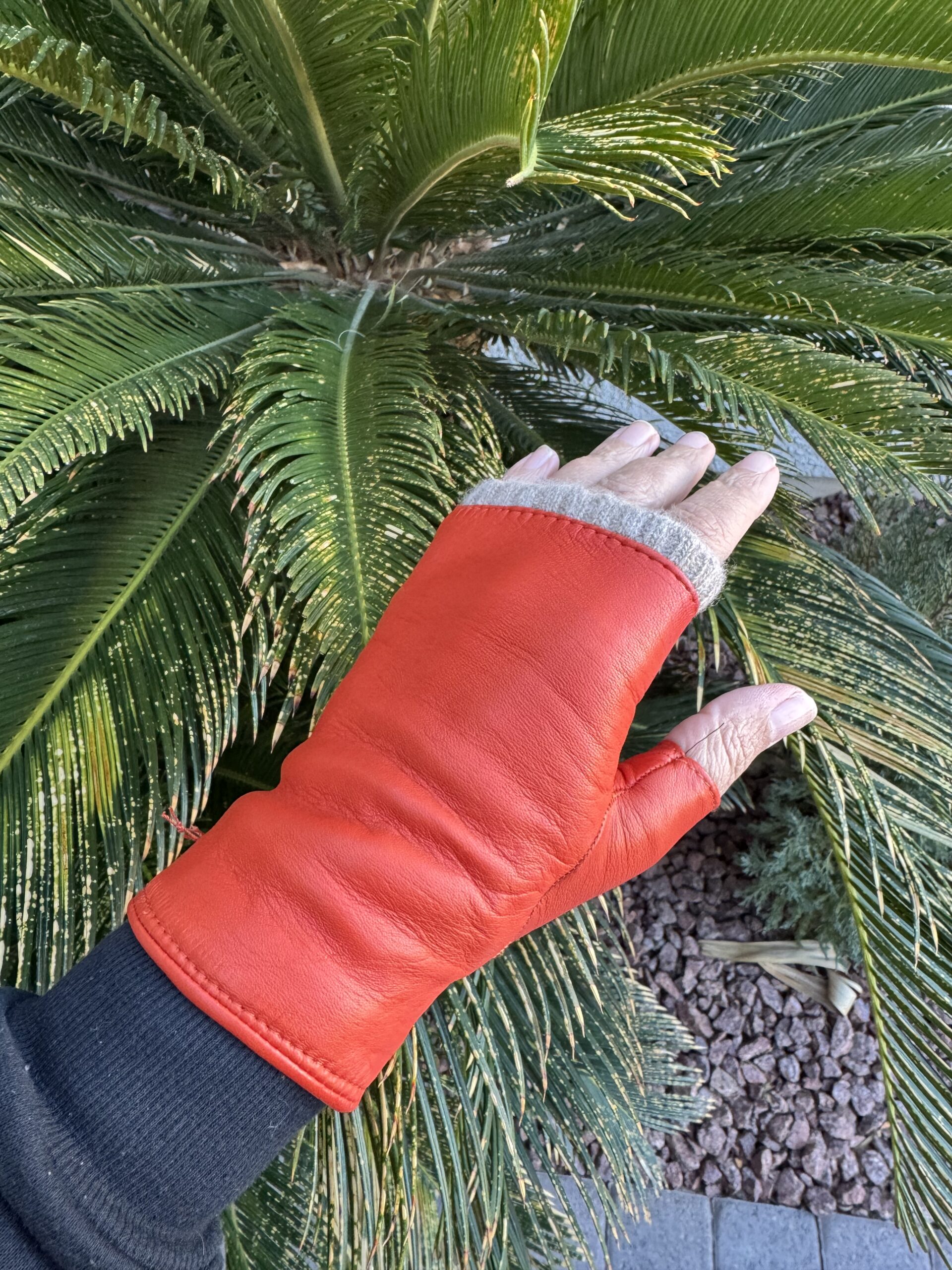
I bring a lightweight pair of wool gloves. They don’t take up space — and I love that I can still use my phone with them on.

- Warm without bulk for cold hikes and everyday wear
- Touchscreen-friendly so you can stay connected without removing them
- Slim fit layers easily under mittens or heavier gloves
If it’s really cold, I’ll layer gloves under mittens and hats under hoods — but most of the time, these are all I need.
I’ve learned hydration matters just as much as what you wear — especially on longer hikes.
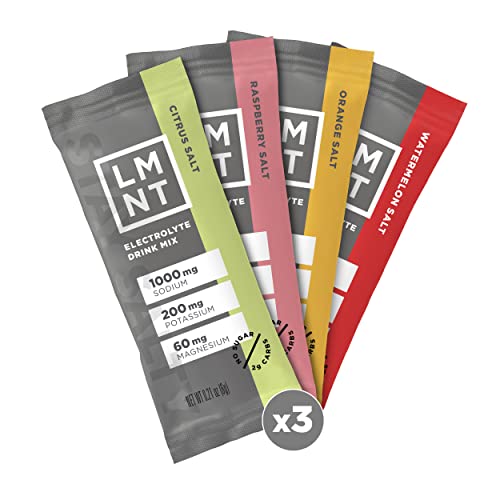
- Zero sugar formula for clean hydration without spikes
- High electrolytes support recovery beyond plain water
- Easy stick packs for hikes, travel, or daily hydration routines
Staying comfortable also comes down to hydration — especially on longer hikes. I break down the electrolytes I actually use depending on the day here → Best Electrolytes for Hydration
COLD WEATHER ACCESSORIES PEOPLE OFTEN FORGET
- Thin base layer made of natural fibers (merino wool)
- Hand warmers: Hot Hands, reusable electronic options, or battery heated gloves
- Ice spikes for traction in snow and ice
- Thermal headband & earmuffs to protect forehead and ears
- Lip SPF is not just for hot weather
- Wool hiking socks for warmth and wicking
Shoes Matter More Than Anything
If there’s one thing I don’t compromise on, it’s shoes.
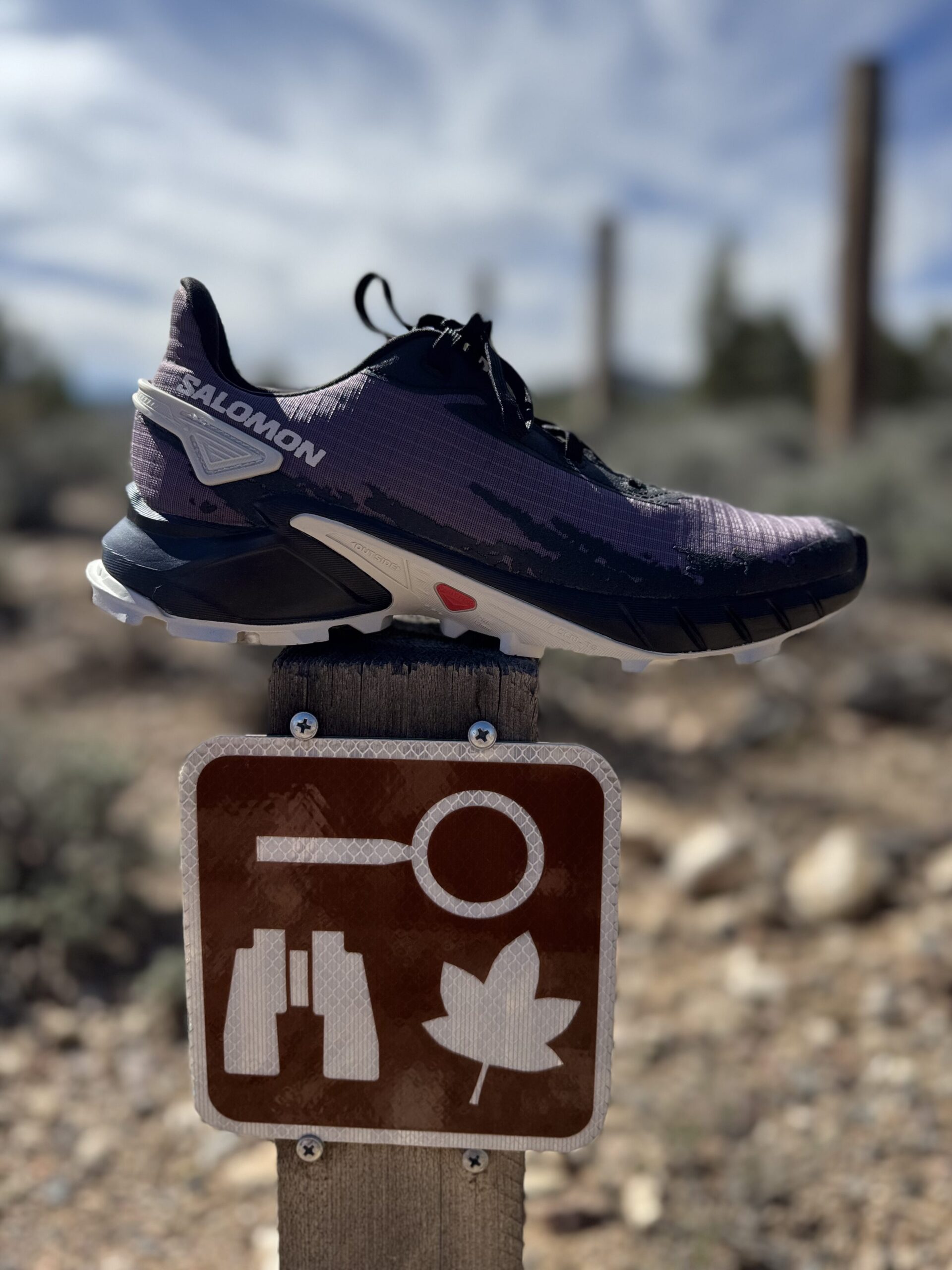
I hike on a lot of loose, rocky trails, so having good grip makes a huge difference.
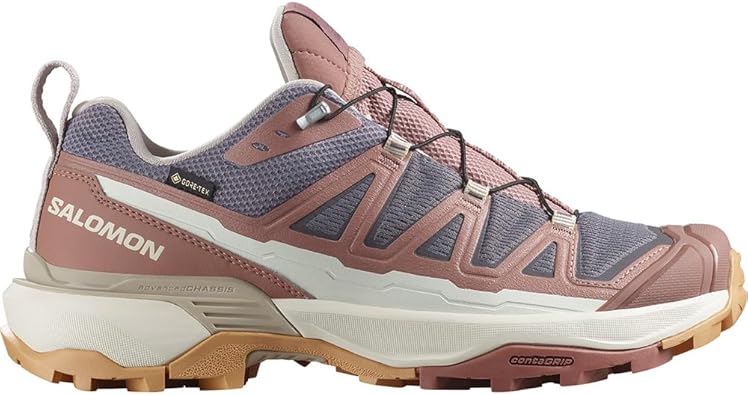
- Strong traction that grips loose and rocky terrain
- Stable, supportive feel for uneven trails
- Lightweight design that stays comfortable on longer hikes
If I want something a little more cushioned for longer hikes, this is a good option that still has solid traction.

- Cushioned support that absorbs impact on longer trails
- Grippy outsole for better traction on uneven terrain
- Lightweight feel that stays comfortable mile after mile
If you’re buying online, try on in person before pulling the trigger to make sure they fit properly.
If you’re only upgrading one thing, I’d start here.
Optional Upgrades (When It’s Colder)
If it’s colder or I know I’ll be out longer, I’ll add a few extra pieces.
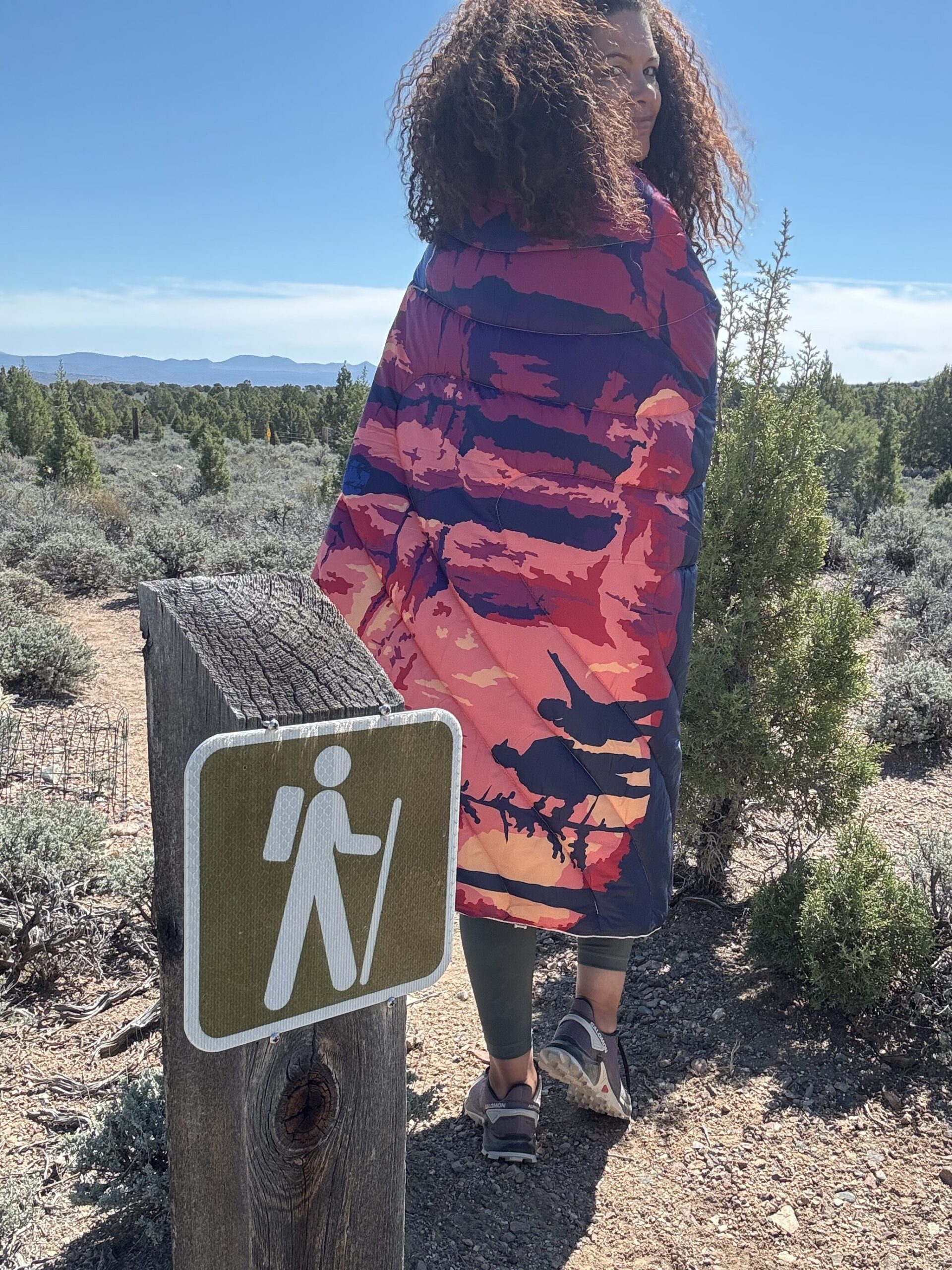
This is one of those things you don’t always need, but when you do, it makes a huge difference.

- Lightweight layer that adds warmth without bulk
- Rechargeable heat helps keep you comfortable on colder hikes
- Great for early mornings or changing weather conditions
Wrap yourself in the Original Rumpl like you would your favorite puffy jacket.
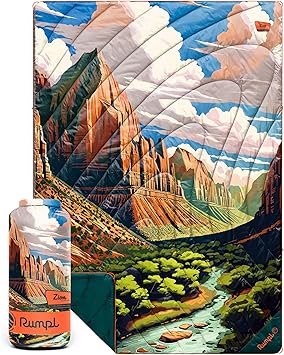
- Lightweight and packable without taking up much space
- Adds a comfortable layer for breaks or post-hike relaxing
- Easy upgrade that makes outdoor time feel more intentional
These aren’t essentials, but they’re the kinds of upgrades and investments that I always appreciate having and can make hikes more comfortable – especially in colder weather or more remote areas. They’re the kinds of upgrades that make you want to stay out longer.
What I Actually Wear Most Often In Cold
I usually keep it really simple:
- comfortable basics
- one lightweight layer
- good shoes
That’s enough for most hikes without overpacking or bringing things I won’t use.
If you’re building out your full setup, I walk through everything I pack here:
If you’re thinking about what to bring for snacks, I break down exactly what I pack here
What you wear doesn’t need to be complicated — just comfortable, practical, and easy to adjust.
Once you figure out what works for you, it becomes something you don’t really have to think about.
As an Amazon Associate, we may earn from qualifying purchases.